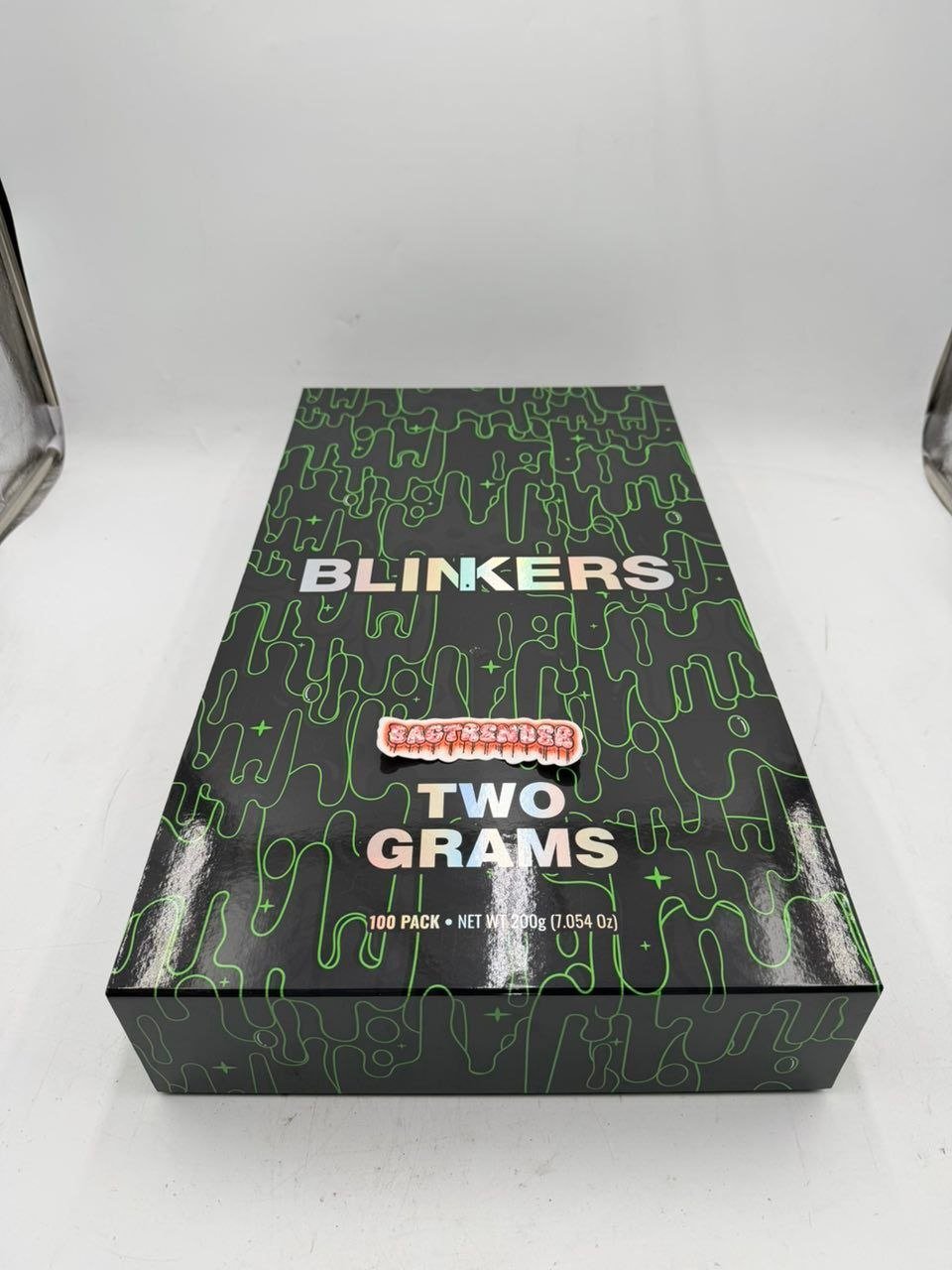
Introducing the Blinkers Kit Product Name and Its Identifying Details
The Blinkers Kit 2G Disposable is identified by a product name that includes the Blinkers label, the Kit designation, and a stated two-gram quantity. These details provide a starting point for organizing product information and distinguishing the item from other products with similar names.
For accurate identification, the complete product name should match the wording displayed on the original packaging. In addition, the specific version, manufacturer information, and applicable product declarations should be checked before further specifications are included.
Understanding the Stated Two-Gram Quantity and Product Label
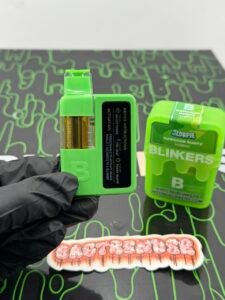
The “2G” portion of the product name indicates a stated two-gram quantity. However, the precise meaning of that quantity should be verified against the original label and relevant documentation rather than assumed from the product title alone.
Likewise, the word “Kit” may form part of the product’s official name, but it does not independently establish which components or accessories are included. Therefore, any listing should identify included items only when they have been confirmed.
Packaging Information and Product Identification
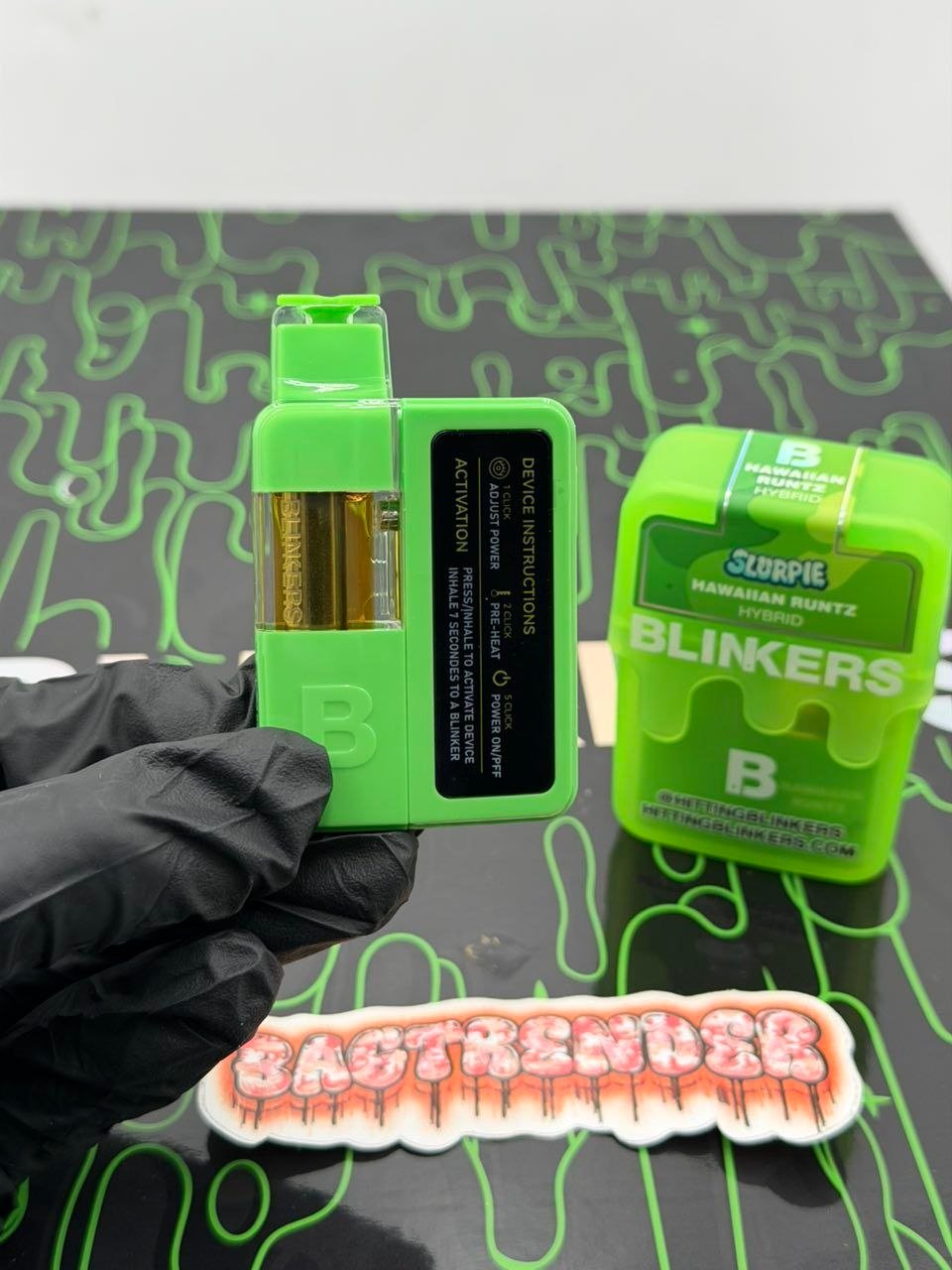
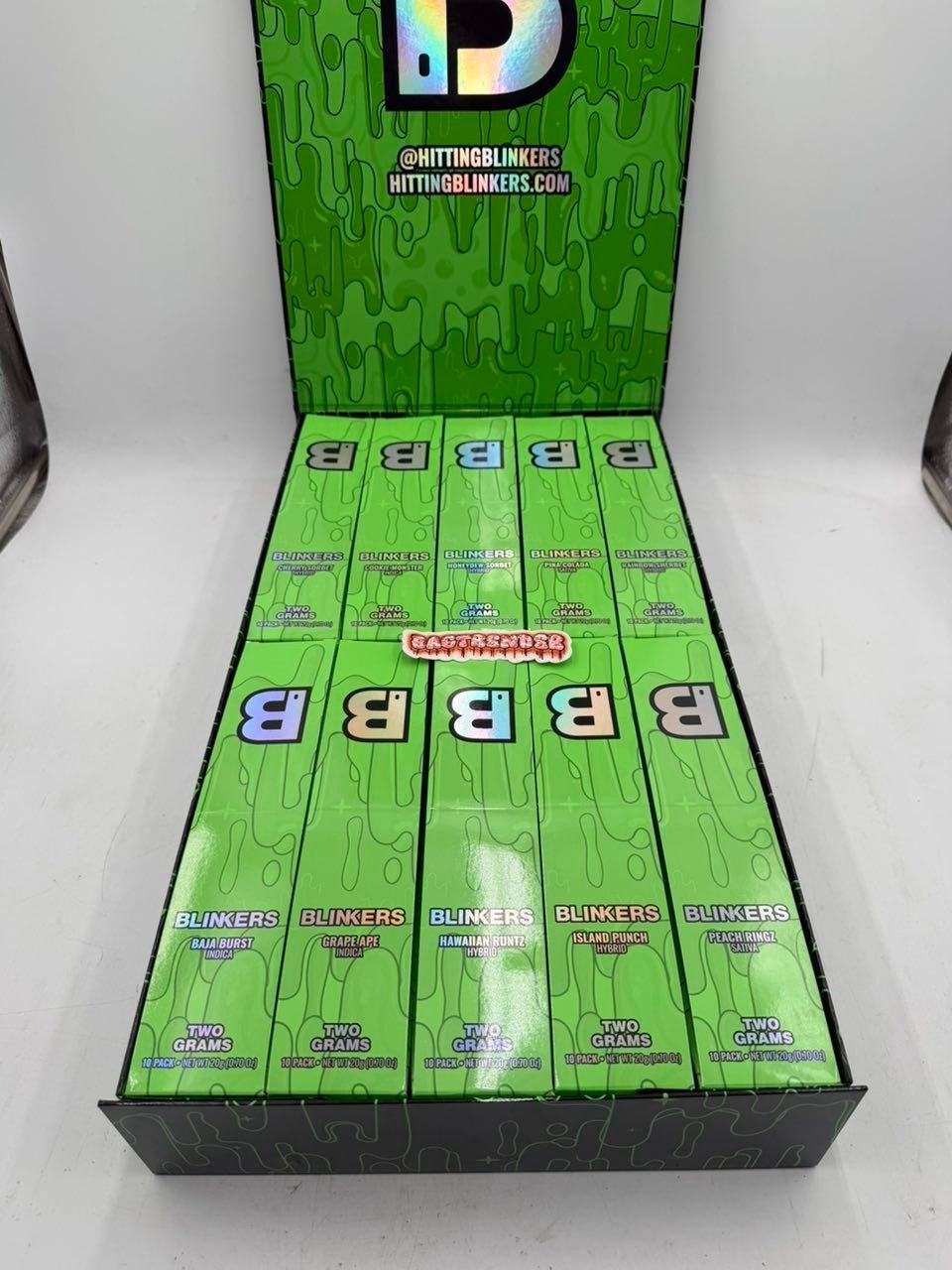
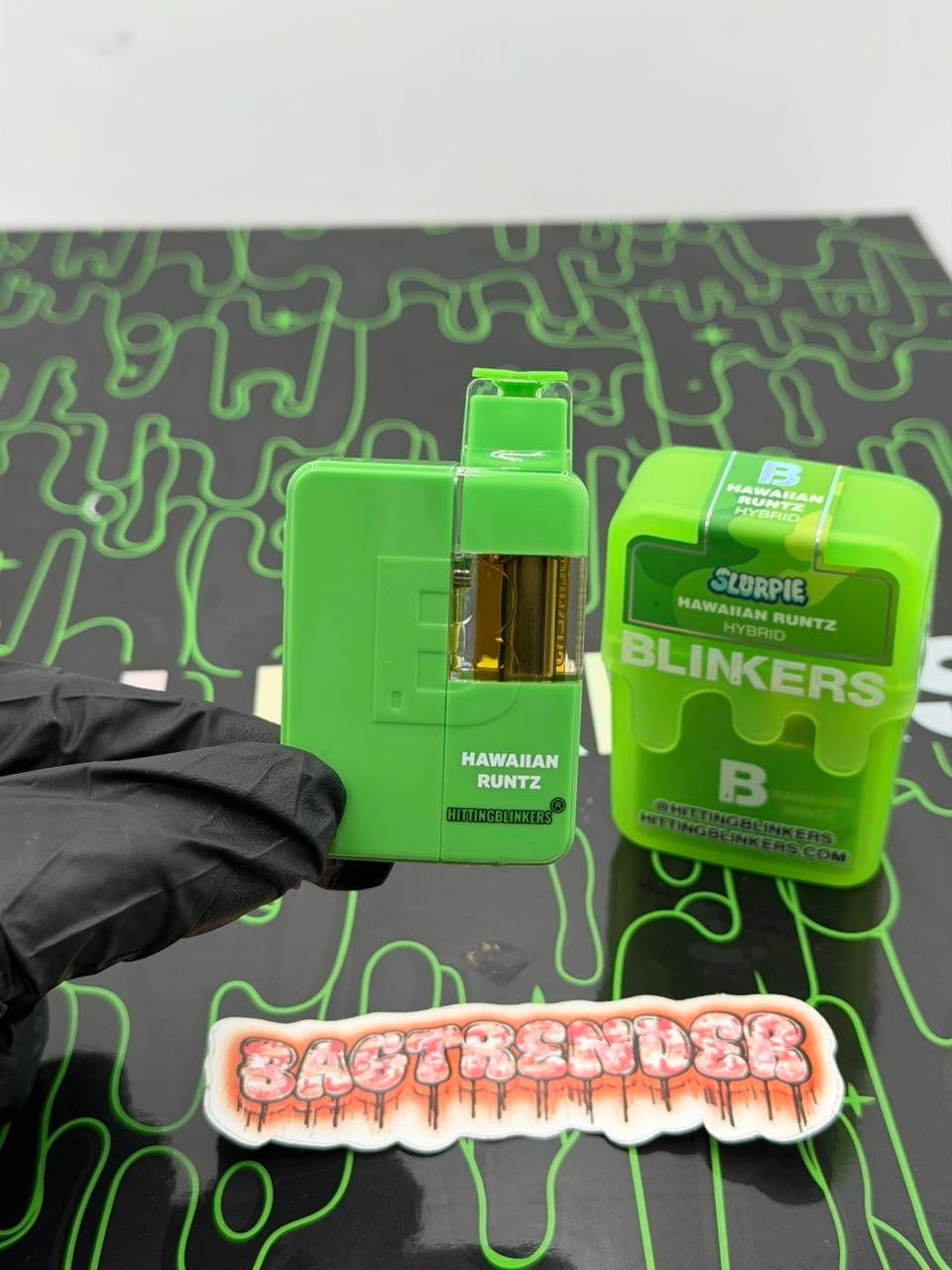
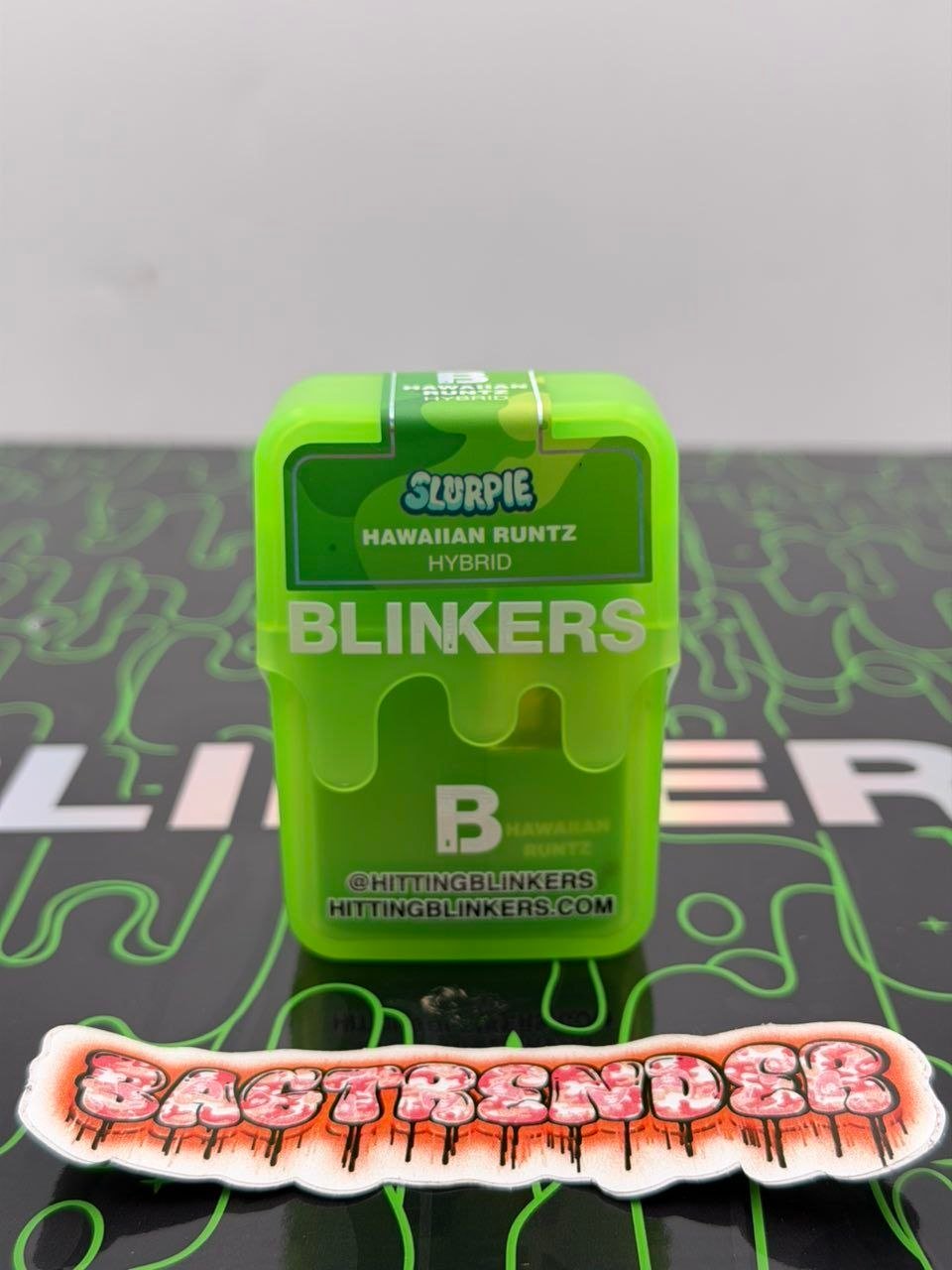
Packaging provides useful information for distinguishing one product from another. Depending on the item and its applicable labeling requirements, the original package may identify the product version, quantity, manufacturer, batch number, ingredients, and relevant warnings.
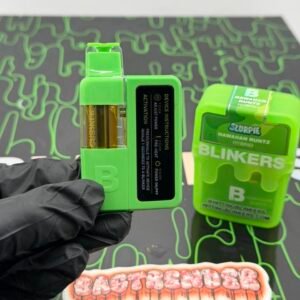
Clear photographs of the actual packaging can support accurate identification. Furthermore, consistent wording across the product title, photographs, and specification fields helps reduce confusion when products have similar names.
Verified Specifications and Transparent Product Information
A reliable product listing separates confirmed details from unverified claims. Relevant information may include the official product name, stated quantity, packaging details, manufacturer identification, applicable ingredient declarations, and regulatory warnings.
Technical claims about internal components, formulation, device operation, or performance should only be included when supported by reliable documentation. Consequently, the listing remains factual rather than relying on assumptions based on the product name.
Ingredient Disclosure, Documentation, and Responsible Handling
Ingredient information should come from the original label or appropriate supporting records. Where laboratory documentation applies, the records should correspond to the specific product and relevant batch.
Storage and handling information should also follow the instructions supplied with the product. Applicable age restrictions, health warnings, and local regulations should be observed.
The Blinkers Kit 2G Disposable listing can be organized around its verified name, stated quantity, packaging, documented specifications, and applicable safety information. This approach provides a clear reference for product identification while avoiding unsupported statements about ingredients, technical features, or performance.
A Closer Look at Product Presentation and Listing Accuracy
An effective product page does more than display a name and a photograph. It brings together the details customers need to identify the item, understand its advertised specifications, and evaluate whether the listing provides enough information for a confident decision.
For the Blinkers Kit 2G Disposable, product presentation should remain consistent across the title, description, images, and packaging details. When these elements match, the listing becomes easier to understand. Conversely, conflicting information can create unnecessary confusion.
Furthermore, a clear description helps distinguish the exact product version from similarly named alternatives. This distinction is particularly important when several listings use comparable branding or refer to different releases.
Why Accurate Product Details Matter to Online Shoppers
Online customers cannot always examine an item in person before making a purchasing decision. As a result, the information supplied on a product page becomes an important part of the shopping experience.
Accurate descriptions help customers compare listings without relying entirely on photographs or promotional language. In addition, clearly presented specifications reduce uncertainty about the product’s identity and package contents.
A dependable listing also explains when a detail has not been independently verified. Rather than presenting assumptions as facts, transparent wording gives customers a more realistic understanding of the available information.
For example, an advertised capacity, battery specification, ingredient statement, or manufacturing detail should match documentation for the exact product version. If the information cannot be confirmed, it is better to leave the claim out until reliable evidence becomes available.
Product Photography and Visual Consistency
Product photography contributes to the overall clarity of an online listing. Images can help customers compare packaging, identify printed labels, and understand the physical presentation of the advertised item.
However, photographs should accurately represent the product being offered. Images taken from another model or an unrelated release may create incorrect expectations, even when the products share similar names.
Consistent photography also supports a more professional storefront. A clear primary image, readable packaging details, and additional views of relevant labeling can help customers understand the listing without unnecessary repetition.
Moreover, any differences between a sample image and the actual packaging should be disclosed where appropriate. Packaging can change between releases, so visual variations do not automatically establish that a product is counterfeit. Nevertheless, unexplained differences may warrant further verification.
Manufacturer Information and Traceability
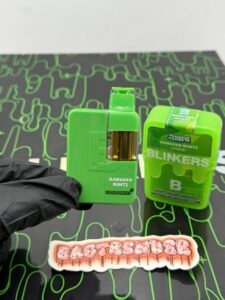
Manufacturer information provides useful context for evaluating a product. Depending on the product category and applicable regulations, relevant details may include the manufacturer’s legal name, business contact information, production identification, batch information, and required labeling.
Traceability becomes especially important when a product contains regulated ingredients or incorporates an electronic device. In those cases, official documentation may provide information that cannot be established from the product name alone.
Additionally, a seller should avoid claiming that a product has undergone independent testing unless reliable documentation supports that statement. Where testing information is available, the listing should accurately describe what was tested, who performed the testing, and which product or batch the results cover.
This approach helps maintain a distinction between verifiable information and general promotional language.
Understanding the Difference Between Product Names and Specifications
A product name is useful for identification, but it does not necessarily provide a complete technical description. Words such as Kit, Disposable, and 2G may communicate aspects of the advertised format, yet they do not establish every feature or component.
For example, the name alone does not confirm battery capacity, charging compatibility, material composition, ingredient concentration, or the precise contents of the package.
Therefore, a detailed product page should use the official specifications for the exact model whenever possible. This reduces the risk of transferring information from a different device or release.
Similarly, statements about durability, reliability, manufacturing quality, or performance require suitable evidence. General expectations should not be presented as guaranteed product characteristics.
Customer Confidence Through Clear Communication
Customer confidence develops when product information is consistent, understandable, and transparent. A listing that explains what is known and avoids unsupported claims creates a stronger foundation for informed purchasing decisions.
Clear communication also extends to commercial details. Product availability, pricing, shipping arrangements, return conditions, and customer support information should accurately reflect the seller’s current policies.
In addition, customers benefit when important qualifications are presented in plain language rather than hidden behind vague statements. For instance, a seller should distinguish between a manufacturer’s stated specification and a feature that has not been independently confirmed.
This level of transparency supports a more dependable shopping experience and can reduce misunderstandings after an order is placed.
Packaging Condition and Order Expectations
Packaging condition may influence how customers assess an online purchase. Nevertheless, the expected condition should be described accurately and should not be used as a substitute for verifying authenticity.
Where relevant, a listing can explain whether the product is presented in its original packaging, whether package contents have been verified, and whether the displayed photographs represent the actual item.
Any claim about factory sealing or tamper-evident protection should be supported by the product’s packaging and the seller’s handling procedures. Similarly, a seller should not promise that every package will have identical visual details when legitimate packaging variations may exist.
By explaining these points clearly, a storefront can establish more realistic expectations and provide useful information before a customer proceeds with a purchase.
Responsible Disposal and Environmental Considerations
Disposable electronic products can present environmental challenges because they may contain batteries, electronic components, plastics, and other materials that require appropriate handling.
Consequently, the disposal method should follow the manufacturer’s instructions and local waste-management rules. Electronic devices and batteries should not automatically be placed in ordinary household waste when suitable collection options are available.
Where local programs accept electronic waste or batteries, those programs may offer a more appropriate route for disposal. However, acceptance requirements vary by location, so the relevant collection guidance should be checked in advance.
Responsible disposal information adds practical value to a product page. It also acknowledges that electronic products have considerations beyond their packaging and initial purchase.
Thoughts on Blinkers Kit 2G Disposable
The Blinkers Kit 2G Disposable listing benefits from a product description that prioritizes identification, accuracy, and transparency. Its advertised name provides a starting point, while verified specifications establish the details customers need to understand the exact item.
Ultimately, a useful product page does not depend on exaggerated promises or repeated promotional phrases. Instead, it communicates relevant information clearly, acknowledges uncertainty where necessary, and presents the product in a consistent and responsible manner.
When supported by accurate photographs, reliable manufacturer information, and straightforward commercial policies, the listing can provide customers with a clearer understanding of the advertised product and its associated considerations.
Building a More Informative Blinkers Kit 2G Disposable Product Page
A complete product page brings together product identification, relevant specifications, packaging information, and clear customer support details. For the Blinkers Kit 2G Disposable listing, each section should provide useful information without repeating the same claims under different headings.
Moreover, a well-planned structure makes the page easier to navigate. Customers can locate the information that matters to them, while the store maintains a consistent and professional presentation.
Rather than relying on lengthy promotional statements, the description benefits from specific, verifiable details. The result is a product page that communicates its purpose clearly and leaves less room for confusion.
Distinguishing the Advertised Product From Similar Listings
Products with similar names can appear across different online marketplaces. However, a shared name or comparable package design does not establish that two listings refer to identical items.
The Blinkers Kit 2G Disposable should therefore be identified using the precise model information available from its manufacturer. Where multiple versions exist, their distinguishing features should be documented separately.
In addition, differences in packaging, labeling, or included components should be explained when reliable information is available. This makes comparisons more meaningful and reduces the likelihood that details from another version will be mistakenly attributed to the advertised product.
Accurate identification is especially valuable when product names contain numbers, edition labels, or other terms that may refer to different specifications.
Clear Language for Better Customer Understanding
Simple language helps customers understand product information without requiring specialized knowledge. Technical terms may be necessary, but they should be explained whenever their meaning is not immediately obvious.
For example, a measurement should identify what is being measured, while a technical specification should refer to the appropriate component. Likewise, ingredient information should distinguish between total product contents and the concentration of an individual substance.
Furthermore, concise paragraphs allow important qualifications to remain visible. When every section introduces a separate subject, customers can review the description more easily than they could a page filled with repeated promotional statements.
A clear writing style also supports consistency across the storefront. Product names, measurements, ingredient terminology, and safety information should follow the same conventions throughout the listing.
The Importance of Honest Product Claims
Product claims influence how customers interpret a listing. Statements concerning authenticity, composition, manufacturing standards, or technical performance should therefore be supported by reliable evidence.
For the Blinkers Kit 2G Disposable, the product name alone cannot verify its contents or establish that it meets a particular quality standard. Those details require appropriate manufacturer documentation or other credible evidence.
Similarly, claims about laboratory testing should identify the relevant documentation when available. A statement about testing one batch should not automatically be extended to every product carrying the same name.
This distinction protects the accuracy of the listing. It also demonstrates that product information is being presented carefully rather than relying on assumptions.
Order Information and Customer Service Expectations
A useful storefront experience extends beyond the product description. Customers also need accurate information about order processing, payment arrangements, shipping availability, and support policies.
For example, the store’s published delivery estimates should reflect its actual shipping arrangements. If delivery times vary according to destination or carrier, that variation should be explained rather than replaced with an unrealistic universal promise.
Likewise, return and refund conditions should be easy to understand. Any restrictions involving regulated products, opened packaging, damaged goods, or local laws should be disclosed where applicable.
Clear policies help customers understand the purchasing process before completing an order. Additionally, consistent communication can reduce misunderstandings when a shipment is delayed or a product does not match its listing.
Product Information and Legal Requirements
Products sold online may be subject to different regulations depending on their contents, intended use, and destination. Consequently, a listing should reflect the requirements applicable to the exact product and market.
Where age restrictions apply, the store should communicate them accurately and use appropriate verification procedures. Requirements concerning ingredients, warnings, packaging, advertising, and shipping may also differ between jurisdictions.
For products containing regulated substances, legal availability should never be assumed solely because an item appears on an online marketplace. Customers and sellers need to consider the applicable local rules.
A responsible listing presents these considerations clearly without suggesting that one set of requirements applies everywhere.
Frequently Overlooked Details in Disposable Device Listings
Several details can be missed when product pages are prepared too quickly. One common issue is the use of technical specifications copied from another model. Although the information may appear plausible, it can misrepresent the item being advertised.
Another concern is the absence of clear package-content information. Customers may interpret the word Kit as indicating additional accessories, even though the exact contents have not been established.
Furthermore, photographs may show a different packaging revision from the item currently available. When that difference is relevant, the listing should explain it instead of allowing customers to draw their own conclusions.
Finally, safety and disposal information should remain consistent with the manufacturer’s guidance. These details are part of responsible product communication rather than optional decorative additions.
A Professional Standard for Online Product Descriptions
A professional product description combines readability with factual accuracy. Its purpose is to explain the advertised item, clarify relevant specifications, and provide information that supports an informed decision.
For the Blinkers Kit 2G Disposable, that standard begins with the exact product identity. It continues through the manufacturer’s documented specifications, accurate packaging photographs, appropriate safety information, and transparent purchasing policies.
Moreover, each section should contribute something different. An introduction identifies the listing, a specifications section explains confirmed details, an authenticity section addresses verification, and a customer-information section explains relevant purchasing considerations.
This structure creates a more useful page than one built around repeated claims about quality or performance.
Conclusion: Accurate Information Creates a Better Shopping Experience
The Blinkers Kit 2G Disposable product page is most useful when its information is specific, consistent, and supported by reliable documentation. A clear product name helps with identification, while verified details establish what customers can reasonably expect from the listing.
Ultimately, transparent communication provides a stronger foundation than exaggerated promises. Accurate descriptions, appropriate safety information, and clearly stated store policies help customers evaluate the advertised item with greater confidence.
A distinctive product page also benefits from original wording and a structure designed around the particular listing. By keeping each section focused on a separate subject, the description remains readable, informative, and suitable for a professional online storefront.
Reviews
There are no reviews yet.